
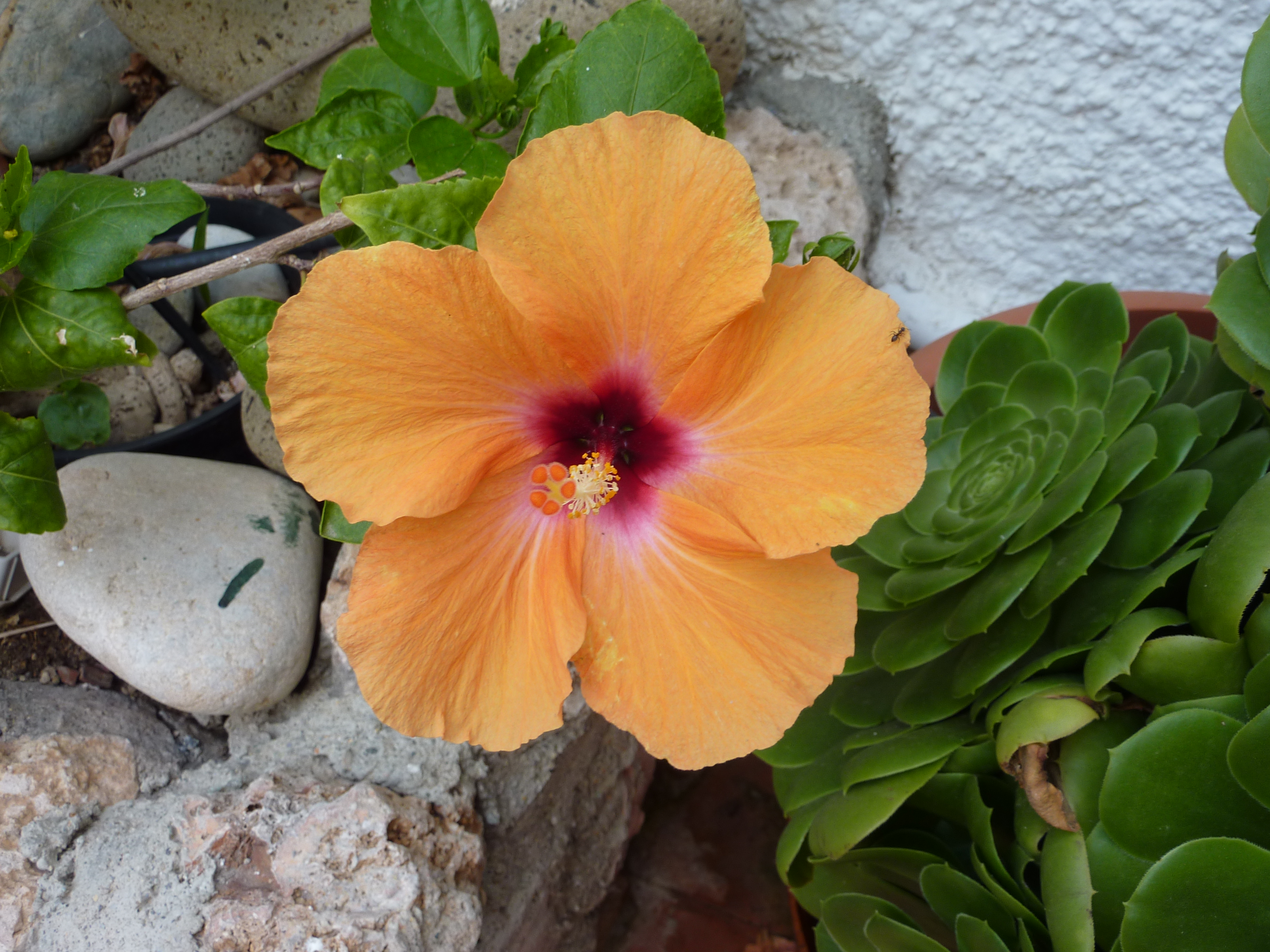
Winter is tough for many people. Short days, with a lack of sunlight, are a long way from the colours and warmth of summer, often leading to seasonal depression, or S.A.D. (Seasonal Affective Disorder).
What causes it
SAD sufferers seem to have difficulty regulating seratonin, a neurotransmitter which regulates mood, digestion, sleep, sense of wellbeing, happiness.
The Science behind it
Lack of sunlight reduces seratonin levels – associated with depression and increases melatonin, a hormone produced by the brain in response to darkeness, regulating sleep patterns. (such as with Jet Lag)
Reduced levels of vitamin D- produced by sunlight reacting with chemicals in the skin, contributes to fatigue, quality of sleep
Sufferers have difficulty regulating circadian rhythm or body clock which adjusts to seasonal light/ dark cycle.
How does it differ from clinical depression?
A symptom of Clinical depression- is decreased appetite, whereas seasonal depression shows increased appetite
How it affects you
The main symptoms are : feeling sad, low mood, low energy, affecting normal daily life. Tiredness and hunger are also common.
Recent studies compare SAD with hibernation, increased appetite, and need to sleep more. winter depression may have been the norm to survive the winter months. Our ancestors may have chosen to shelter from the winter weather in caves, sleeping more, but they could have suffered from poor nutrition, and a lack of vitamin D from sunlight. Research indicates that there are biological similarities with hibernation ,the human body is not designed to survive months living off body fat in the way that bears can, for example.
How to treat it
- Spending as much time as possible outside, particularly on sunny days.
- Increased vitamin D – best source is sunlight, supplements, diet, SAD lamp.
- Healthy diet
- Exercise outdoors
- Counselling
- Anti-depressants
- Lift your mood with something you enjoy
Useful tips:
Listen to your body. If you need to rest more, cosy up indoors, that’s fine. Do what you need to do.
Counselling can help to view short, dark days with a different perspective. Relating differently to your personal experiences of SAD can help to find your own, individual way to cope. You may even find you can embrace winter!

Try bringing some holiday activities into your day, even for a short time- maybe look at a favourite photo during a coffee break. Lifting your mood by doing something you really enjoy- singing along to a song on the radio, or dancing to a favourite holiday tune.
What would you enjoy on holiday? Curling up with a good book, cooking colourful meals such as stir fries, or a spicy curry? Having time to chill out, or maybe to try a new form of exercise?



When the weather is grey, but bringing colour into your life can give you a break from the endless gloom of winter and lift your mood. Wear something colourful for fun, brighten your make-up, paint your nails, wear comedy socks! Take advantage of the wonderful memories of light and warmth to remind yourself how good you feel in summer. Take photos for some happy memories to look back on in winter.
More about Seasonal Affective Disorder
https://www.popularmechanics.com/science/a35033907/early-humans-hibernation/
Melrose S. (2015). Seasonal Affective Disorder: An Overview of Assessment and Treatment Approaches. Depression research and treatment, 2015, 178564. https://doi.org/10.1155/2015/178564


